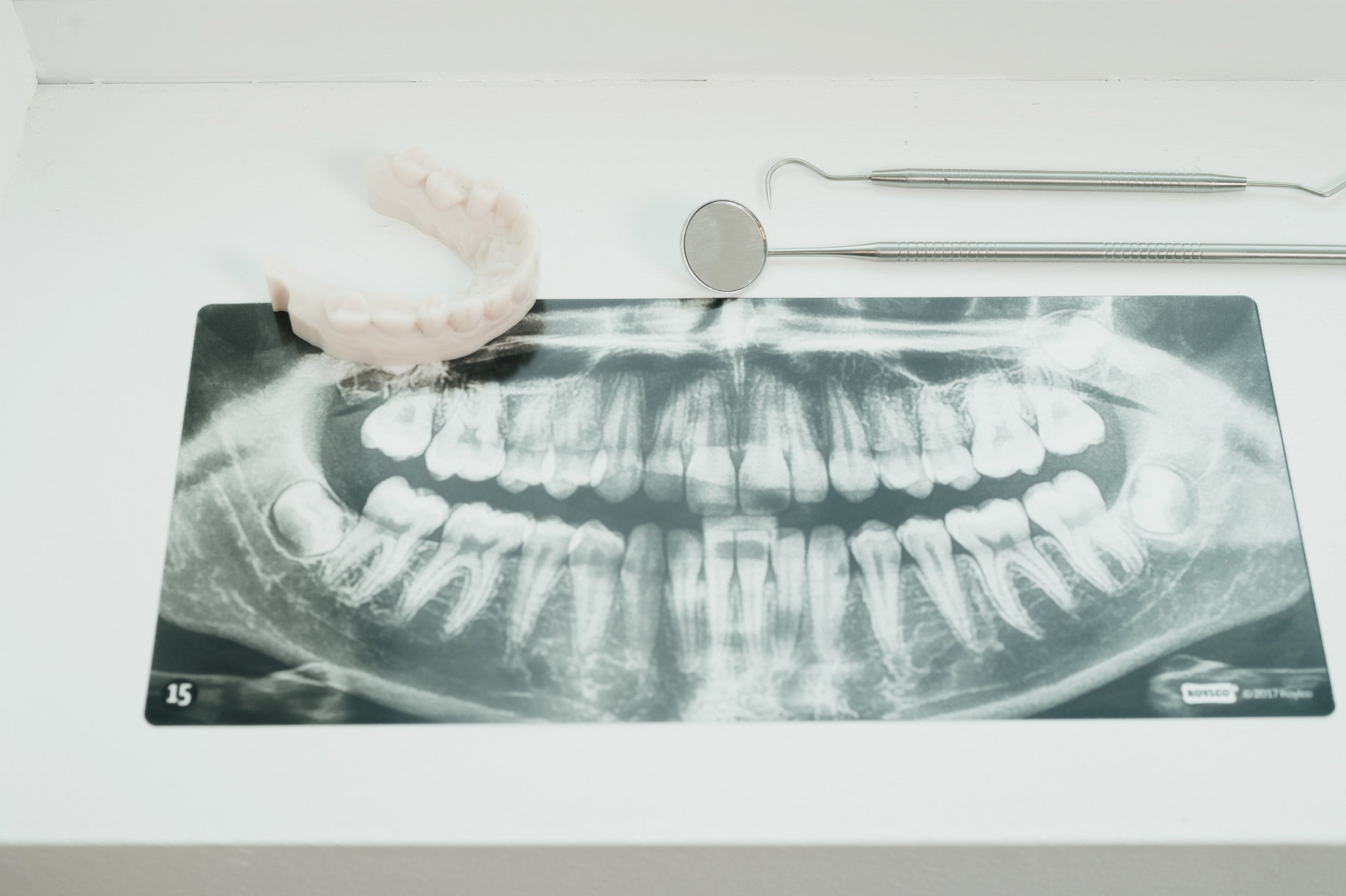
Most adults missing one or more teeth can benefit from dental implants, but determining your candidacy requires evaluating several key factors. We assess your bone density, overall health, gum condition, and lifestyle habits to ensure implants will integrate successfully and provide decades of reliable function. At Priest Dental in Ashland, Ohio, Dr. Kevin Priest and our team have helped hundreds of patients discover whether implants are right for their unique situation.
Unlike dentures that simply rest on your gums, dental implants fuse directly with your jawbone through osseointegration. This biological process creates a permanent foundation that preserves bone density, restores natural chewing function, and eliminates the slipping or clicking associated with removable appliances. Understanding candidacy requirements helps you make an informed decision about this life-changing treatment.
The good news is that modern implant techniques work for most people, even those with conditions that previously ruled out implant treatment. We'll explore the specific factors that determine candidacy and help you understand what to expect during your evaluation process.
Quick Overview
- Health requirements: Good overall health and controlled medical conditions like diabetes support successful implant integration
- Bone density needs: Adequate jawbone structure is essential, though bone grafting can address deficiencies in many cases
- Age considerations: No upper age limit exists; we've successfully placed implants in patients from their 20s to their 90s
- Lifestyle factors: Non-smokers heal better, but smoking cessation programs can help improve candidacy
- Gum health status: Active periodontal disease must be treated before implant placement to ensure success
What Makes Someone a Good Candidate for Dental Implants?
The ideal implant candidate has sufficient bone density to support the titanium posts, healthy gums free from active disease, and good overall health that supports proper healing. We evaluate these factors during your comprehensive consultation using advanced 3D imaging and thorough medical history review.
Your jawbone must have adequate height, width, and density to accommodate implants securely. When you lose teeth, the surrounding bone begins to shrink away due to lack of stimulation. The longer you've been without teeth, the more bone loss typically occurs, though modern techniques can often work around these challenges.
Good candidates also demonstrate commitment to oral hygiene and regular dental care. Implants require maintenance similar to natural teeth, including daily cleaning and professional monitoring. Patients who maintain excellent oral health typically enjoy implant success rates exceeding 95%.
Essential Health Requirements
Your overall health significantly impacts implant success because the procedure requires proper healing and bone integration. We review your medical history, current medications, and any chronic conditions that might affect treatment outcomes.
Conditions that require special consideration include:
- Diabetes: Well-controlled blood sugar levels (HbA1c below 7%) support normal healing and integration
- Heart disease: Stable cardiovascular conditions typically don't prevent implant treatment with proper precautions
- Osteoporosis: Bone density medications may require timing adjustments, but don't necessarily rule out implants
- Autoimmune disorders: Conditions affecting healing require careful evaluation and possible treatment modifications
- Cancer treatment: Radiation therapy to the head and neck area may affect bone healing capacity
Can Diabetics Get Dental Implants Safely?
Diabetics can absolutely receive dental implants when their blood sugar remains well-controlled. Research shows that patients with HbA1c levels below 7% experience implant success rates comparable to non-diabetic patients. The key is maintaining stable glucose levels throughout the healing period.
Uncontrolled diabetes impairs wound healing and increases infection risk, which can prevent proper osseointegration. If your diabetes isn't optimally managed, we'll work with your physician to improve control before proceeding with implant placement. This collaborative approach might delay treatment temporarily but dramatically improves your chances of success.
We monitor diabetic patients more closely during healing and may recommend additional follow-up visits to ensure proper integration. Many of our diabetic patients tell us their implants have actually motivated them to maintain better overall health habits.
Bone Density Requirements for Implant Success
Adequate bone density provides the foundation for long-term implant stability. We use cone beam 3D imaging to precisely measure your bone dimensions and assess quality before recommending treatment. This technology allows us to plan implant placement with millimeter precision.
Minimum bone requirements vary by location in your mouth, but generally we need at least 10mm of bone height and 6mm of width for standard implants. The bone must also have sufficient density to provide initial stability during the healing phase.
If you have insufficient bone, several options can improve your candidacy:
- Bone grafting: Adds volume and density using your own bone or biocompatible materials
- Sinus lifts: Creates space for implants in the upper jaw by lifting the sinus membrane
- Ridge augmentation: Rebuilds bone width and height in areas of significant loss
- All-on-4 technique: Uses angled implants to engage existing bone more effectively
What Happens If I Don't Have Enough Bone?
Insufficient bone doesn't automatically disqualify you from implant treatment. Modern bone grafting techniques can rebuild lost bone structure, creating adequate foundation for implant placement. The grafting process typically adds 3-6 months to your treatment timeline but significantly improves long-term success rates.
Some patients benefit from immediate implant placement following tooth extraction, which helps preserve existing bone. This approach requires careful timing and evaluation but can eliminate the need for separate grafting procedures in many cases.
Age Considerations: Am I Too Old or Too Young?
Age alone rarely determines implant candidacy. We've successfully placed implants in patients ranging from young adults who've lost teeth due to trauma to seniors in their 90s seeking to improve their quality of life. What matters more is your overall health status and healing capacity.
For younger patients, we typically wait until facial growth is complete, usually around age 18-21. This ensures implants won't interfere with natural development and will maintain proper positioning long-term.
Older patients often make excellent candidates because they're motivated to maintain their independence and quality of life. Many seniors tell us that implants have allowed them to continue enjoying foods they thought they'd have to give up forever.
Lifestyle Factors That Affect Candidacy
Certain lifestyle habits significantly impact implant success rates. Smoking represents the most significant modifiable risk factor, reducing success rates and slowing healing. Nicotine restricts blood flow to the surgical site, impairing the bone integration process essential for implant stability.
We strongly recommend smoking cessation before implant treatment. Many patients use this as motivation to quit permanently, improving not just their implant success but their overall health. We can connect you with cessation resources and support programs to help you succeed.
Other lifestyle considerations include:
- Oral hygiene habits: Excellent daily care prevents complications and ensures long-term success
- Teeth grinding: Bruxism may require a protective nightguard to prevent implant damage
- Athletic activities: Contact sports may need protective equipment to prevent implant trauma
- Dietary habits: Willingness to follow post-surgical dietary guidelines supports proper healing
Gum Health Requirements
Healthy gums provide the seal around implants that prevents bacterial invasion and maintains long-term stability. Active periodontal disease must be completely treated before implant placement because the same bacteria that destroy natural teeth can cause implant failure.
We thoroughly evaluate your gum health during consultation and may recommend periodontal therapy before proceeding with implants. This might include deep cleanings, antibiotic treatments, or surgical procedures to eliminate infection and create healthy tissue around future implant sites.
Patients with a history of gum disease require more frequent maintenance visits after implant placement. This proactive approach helps prevent peri-implantitis, the implant equivalent of gum disease, which can threaten implant stability if left untreated.
What to Expect During Your Candidacy Evaluation
Your comprehensive implant consultation at Priest Dental begins with a detailed discussion of your goals, concerns, and medical history. We'll examine your mouth thoroughly, take necessary X-rays or 3D scans, and discuss your treatment options based on your specific situation.
The evaluation process includes:
- Medical history review: Discussion of health conditions, medications, and previous dental treatments
- Clinical examination: Assessment of remaining teeth, gum health, and oral tissues
- 3D imaging: Precise measurement of bone dimensions and quality using cone beam technology
- Treatment planning: Development of a customized approach based on your specific needs and goals
- Financial discussion: Review of investment options and financing plans to make treatment accessible
Dr. Priest will explain your candidacy status clearly and discuss any preparatory treatments that might improve your success rates. Our goal is to help you make an informed decision about whether implants align with your oral health goals and lifestyle preferences.
Questions to Ask During Your Consultation
Come prepared with questions about your specific situation. Important topics to discuss include your individual success rate predictions, timeline for treatment completion, maintenance requirements, and what to expect during recovery.
Don't hesitate to ask about alternative treatments if implants aren't recommended immediately. Sometimes preparatory procedures can improve your candidacy, or other options might better suit your current situation and goals.
Schedule Your Implant Consultation in Ashland, Ohio
Determining your candidacy for dental implants requires professional evaluation of your unique situation. While most adults can benefit from implant treatment, the specific approach and timeline depend on factors like bone density, overall health, and treatment goals.
At Priest Dental, we're committed to helping you understand all your options for restoring your smile and oral function. Our comprehensive evaluation process ensures you receive treatment recommendations based on the latest techniques and your individual needs.
If you're considering dental implants, we encourage you to schedule a consultation to discuss your candidacy. Understanding your options is the first step toward making an informed decision about this potentially life-changing treatment. Contact Priest Dental today to begin your journey toward a restored smile.

If you’re experiencing a dental emergency, don’t wait. Call our team right away at (419) 289-1813 and we’ll do everything we can to get you comfortable and cared for as quickly as possible.
Call Now