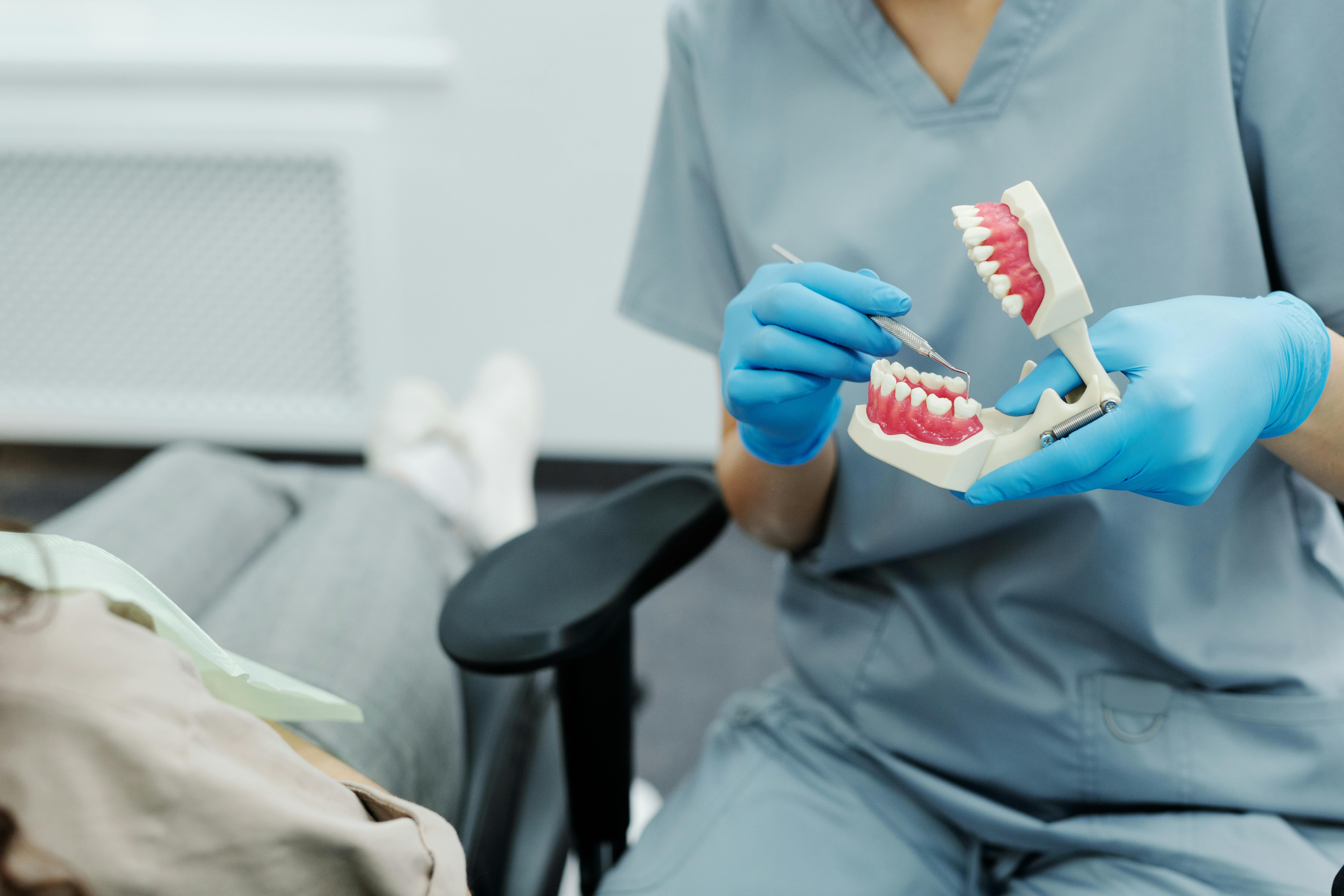
If you've been living with missing teeth, you know how it affects everything—from enjoying your favorite foods to feeling confident in social situations. Unlike every other tooth replacement option, dental implants are the only ones your body actually accepts as part of you. We surgically place titanium posts into your jawbone that fuse directly with bone tissue through osseointegration—essentially helping your body treat the implant like natural tooth structure. While bridges depend on neighboring teeth for support and dentures rest on top of your gums, implants stand independently, preserve bone density, and function just like the teeth you were born with.
At Priest Dental in Ashland, Ohio, Dr. Kevin Priest and our caring team combine advanced implant technology with comprehensive smile restoration techniques to help you achieve the confident, healthy smile you've always wanted. Whether you're missing a single tooth or need full-mouth restoration, we'll work closely with you to create a personalized treatment plan that addresses your specific needs and goals. We understand this is a big decision, and we're here to guide you through every step of the process.
Quick Overview
- Permanent Solution: Implants fuse with your jawbone to create lasting tooth replacement that can last decades
- Natural Function: Eat, speak, and smile with confidence—implants feel and work like your original teeth
- Bone Preservation: Unlike dentures, implants stimulate your jawbone to prevent deterioration and facial changes
- Versatile Options: Single tooth replacement, multiple teeth, or full-mouth restoration with All-on-4 technology
- Investment Value: Higher upfront cost than alternatives, but superior longevity and quality of life benefits
How Do Dental Implants Work?
A dental implant consists of three components: a titanium post that serves as an artificial root, an abutment that connects to the post, and a crown that replaces the visible tooth. The process happens at the bone level, where your jawbone actually grows around and fuses with the titanium post through osseointegration.
This biological fusion creates stability that's often stronger than the connection between natural teeth and bone. Your body recognizes the titanium as biocompatible tissue and forms a permanent bond. This is fundamentally different from dentures, which simply rest on your gums, or bridges, which rely on adjacent teeth for support.
The entire process typically takes several months to complete, allowing time for proper healing and integration. However, we can often place temporary teeth immediately after implant placement, so you won't have to worry about going without teeth during the healing period.
What Are the Benefits of Implant-Based Smile Restoration?
The advantages of choosing implants extend far beyond appearance into fundamental quality of life improvements that our patients tell us about every day:
- Facial structure preservation: Maintains your jawbone density, preventing the sunken appearance that develops with long-term denture wear
- Unrestricted eating: Bite into apples, chew steak, enjoy corn on the cob—all your favorite foods become accessible again
- Clear speech: No slipping or clicking sounds that can occur with removable prosthetics
- Simplified oral care: Brush and floss just like natural teeth—no adhesives, soaking solutions, or special maintenance
- Psychological confidence: The peace of mind knowing your teeth are permanently secured eliminates social anxiety about slipping or embarrassing moments
We consistently see improved self-esteem and quality of life after implant treatment. You'll find yourself engaging socially and professionally without the worry that often accompanies tooth loss.
Are You a Candidate for Dental Implants?
Most adults with missing teeth can benefit from implant treatment, but success depends on several key factors we'll carefully evaluate during your consultation:
- Bone density: Adequate bone volume is essential for proper integration; we can often rebuild areas with bone grafting if needed
- Overall health: Well-controlled diabetes isn't necessarily a barrier, but certain medical conditions can affect healing
- Smoking status: Tobacco use significantly increases implant failure risk; we strongly encourage cessation before treatment
- Gum health: Active periodontal disease must be treated before implant placement
- Oral hygiene commitment: Long-term success requires consistent home care and professional maintenance
Age isn't typically a limiting factor—Dr. Priest has successfully placed implants in patients well into their eighties. During your consultation at our welcoming Ashland office, we'll evaluate these factors together and discuss whether implants are the right choice for your unique situation.
What Are My Single Tooth vs. Full-Mouth Restoration Options?
For single tooth replacement, one implant supports one crown, providing the most natural solution available. This approach preserves your adjacent healthy teeth, unlike bridges which require grinding down neighboring teeth for support. Your implant crown will match your existing teeth perfectly in color, shape, and size.
Full-mouth restoration offers several approaches depending on your needs and bone condition:
- Traditional implant-supported dentures: Four to six implants per arch secure a full set of replacement teeth with superior stability
- All-on-4 technique: Just four strategically placed implants per arch, often eliminating the need for bone grafting
- Individual implant replacement: One implant for each missing tooth provides the closest approximation to a natural smile
While individual implants require more investment, they offer superior chewing ability and the most natural feel possible. We'll help you understand which option best fits your lifestyle and budget.
What to Expect During Treatment at Priest Dental
Your implant treatment follows a carefully planned sequence, and we'll be with you every step of the way:
- Initial consultation: Comprehensive examination, 3D imaging with our cone beam technology, and treatment planning to determine the best approach for your situation
- Implant placement: Performed under local anesthesia with sedation options available; most people compare it to having a tooth extracted
- Initial healing: About two weeks of following specific post-operative instructions to ensure proper recovery
- Osseointegration period: Three to six months for the implant to fuse with your jawbone; we'll monitor your progress with periodic check-ups
- Final restoration: Impressions, fitting, and delivery of your beautiful permanent crown or prosthesis
We use advanced 3D imaging and surgical guides to ensure precise placement and minimize tissue trauma. Many patients tell us they're surprised by how comfortable the process is compared to their expectations.
How Much Does Implant Treatment Cost in Ashland, Ohio?
We understand that dental implant treatment represents a significant investment in your oral health and quality of life. The investment varies based on your specific needs and treatment plan, which we'll discuss in detail during your consultation—no surprises, just honest communication about your options.
While we're a fee-for-service practice, we strive to work with any benefits you have. Many dental insurance plans provide some coverage for implant treatment, particularly when implants replace teeth that were recently lost due to trauma or disease. We'll work with your insurance provider to maximize your benefits and provide detailed treatment estimates before beginning care.
When evaluating cost, consider the long-term value implants provide. Dentures require regular adjustments, relines, and eventual replacement every 5-7 years; bridges typically last 10-15 years. Implants, with proper care, can last decades or even a lifetime, often making them more cost-effective over time despite the higher initial investment.
Frequently Asked Questions
How long do dental implants last compared to other tooth replacement options?
Dental implants have a success rate exceeding 95% and can last 20-30 years or longer with proper care. Traditional dentures typically need replacement every 5-7 years, while bridges last 10-15 years on average. The superior longevity of implants often makes them more cost-effective despite the higher initial investment.
Is the dental implant procedure painful?
Most people experience less discomfort than expected during and after implant placement. We use local anesthesia during the procedure, and many patients report minimal pain afterward. Over-the-counter pain relievers are usually sufficient for managing any post-operative discomfort, which typically resolves within a few days.
Can I eat normally with dental implants?
Yes, implants restore full chewing function, allowing you to eat all your favorite foods without restriction. Unlike dentures, which can slip or cause discomfort when eating certain foods, implants provide stable, reliable chewing power comparable to natural teeth.
What's the difference between titanium and zirconia implants?
Titanium implants have decades of research supporting their success and remain the gold standard for most situations. Zirconia implants are metal-free and tooth-colored, making them appealing if you have metal sensitivities or prioritize aesthetics in the front of your mouth. Both materials integrate well with bone, but titanium has a longer track record of success.
How do All-on-4 implants compare to traditional implant-supported dentures?
All-on-4 uses four strategically angled implants to support a full arch of teeth, often eliminating the need for bone grafting. Traditional implant-supported dentures typically use six to eight implants placed vertically. All-on-4 can be more cost-effective and faster to complete, while traditional approaches may provide superior long-term stability in some cases.
Will my insurance cover smile restoration with dental implants?
Coverage varies significantly between plans, but many insurance policies provide some benefits for implant treatment, especially when replacing recently lost teeth. We'll review your specific benefits and help you understand what portion of treatment may be covered. Even partial coverage can significantly reduce your out-of-pocket investment.
How do I care for dental implants after treatment?
Implant care is straightforward—brush and floss just like natural teeth, plus regular professional cleanings and check-ups. Unlike dentures, there are no special soaking solutions or adhesives required. Good oral hygiene and regular dental visits are essential for long-term implant success and preventing complications like peri-implantitis.
Transform Your Smile with Dental Implants in Ashland
At Priest Dental, we're committed to helping you achieve the healthy, confident smile you deserve through advanced implant dentistry and comprehensive smile restoration. Dr. Priest's experience with both traditional and cutting-edge techniques ensures you'll receive the most appropriate treatment for your individual needs. We understand this is an important decision, and we're here to answer all your questions and support you throughout your journey. Contact us today to schedule a consultation and take the first step toward transforming your smile with dental implants.
If you’re experiencing a dental emergency, don’t wait. Call our team right away at (419) 289-1813 and we’ll do everything we can to get you comfortable and cared for as quickly as possible.
Call Now